
-
By:
- admin
- Comments Off on The Cheongsam and Qun Kua Guide for Malaysia Weddings
The Cheongsam and Qun Kua Guide for Malaysia Weddings
Two garments, two jobs in Malaysia celebrations
Malaysian Chinese weddings and formal dinners often put “cheongsam” and “qun kua” on the same shopping chat even though the garments solve different moments. A cheongsam or qipao can cover tea receptions, dinners, and modern formal looks. A qun kua is ritual wedding wear with its own silhouette and symbolism. Mixing the words makes fittings sloppy.
This article is cultural fashion education for Malaysia. It is not a rental pitch and not a ranking of ateliers.
Qun kua carries ritual weight: embroidery motifs and fit matter as much as colour.
Cheongsam and qipao: fit before embroidery
Cheongsam and qipao names travel together in Southeast Asia. What matters for a Malaysia fitting is silhouette, length, sleeve, slit height, and whether you need room to sit through a long banquet. Classic straight cuts, softer A-lines, and modern mermaid shapes behave differently under stage lights and hotel carpets.
Public guides to cheongsam and qipao styles in Malaysia help you scan cut families and occasion language. Use them to build a vocabulary list: neckline, fastening, lining, and alteration points. Decide rental versus made-to-measure from your timeline, not from a mood board alone. Historical background on the garment’s urban evolution is summarised in Wikipedia’s cheongsam overview, useful for context rather than shopping.
For a short English-language cultural framing of why the dress carries more than fabric, this educational video is a related watch:
Related watch: a cultural fashion explainer on qipao history and meaning, not a boutique advert.
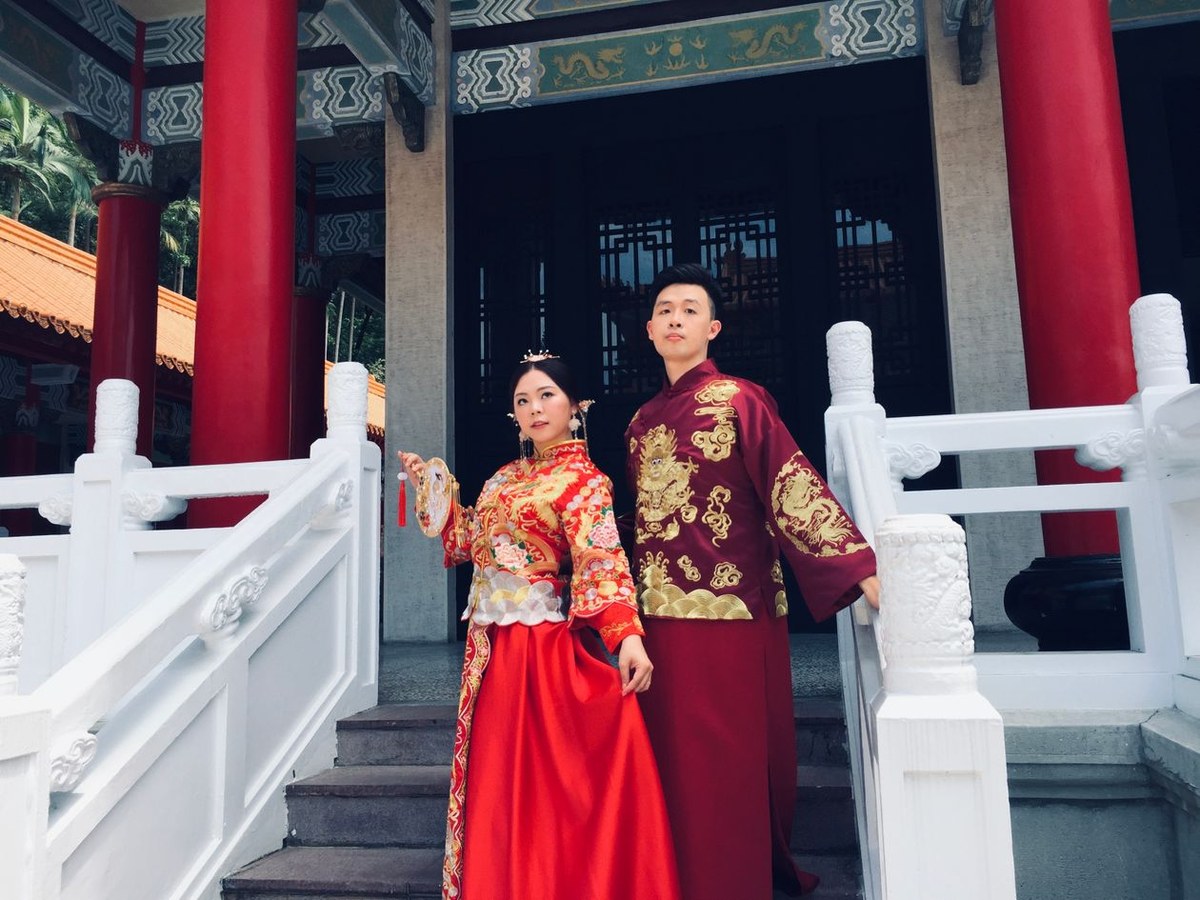
Build a fitting calendar early so tea ceremony and banquet silhouettes both clear the movement test.
Qun kua: ritual structure and motif literacy
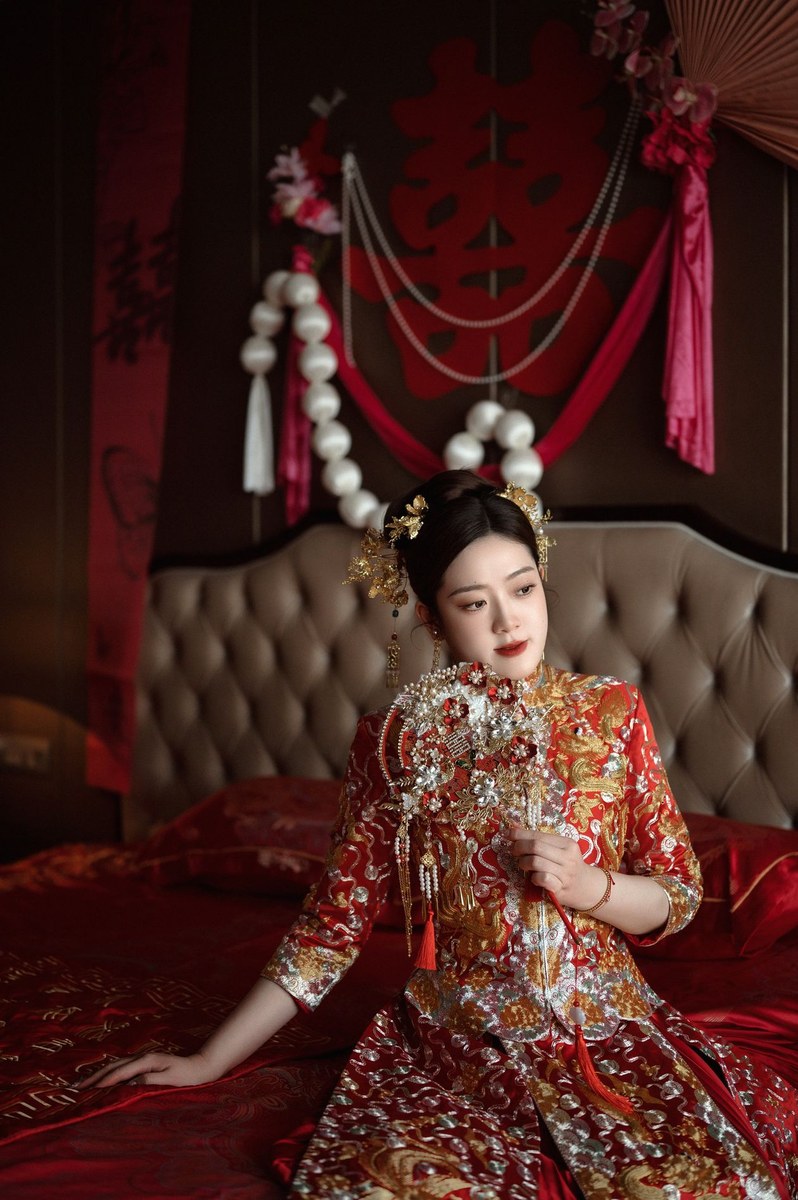
A qun kua is typically a two-piece set: skirt and jacket. Families often treat colour, dragon-and-phoenix motifs, and embroidery density as part of wedding symbolism, not only decoration. Fit still matters. Jacket ease for tea ceremony movement, skirt length for kneeling or bowing, and lining comfort under lights should be checked in person.
Pages that introduce style overview are orientation tools for silhouette and motif language. Ask what is included in a rental window, how alterations are handled, and how the set should be steamed and stored between tea ceremony and banquet photos. Motif meaning is family-specific; do not outsource symbolism to a salesperson’s one-line slogan.
If elders and the couple disagree on density of embroidery or colour intensity, settle that before the first fitting fee is paid. A mock layout with photos of past sets often resolves taste faster than abstract debate. Keep one backup plan for weather: outdoor tea photos under noon sun need different comfort choices than an indoor banquet only.
Fabric, climate, and movement tests
Malaysia heat and hotel air-conditioning fight delicate fabrics. Ask about lining breathability, whether the skirt allows a normal walking stride, and how the set behaves when you sit for speeches. Steam plans matter: who presses the garment on the morning of, and what travel bag protects embroidery in a car boot.
Colour photography under mixed lighting can shift reds and golds. If photos are a priority, schedule a short fabric test under similar lights, or at least review past client photos taken in comparable venues. Accessories should be chosen after the neckline is fixed, not before. A statement necklace that fights a high collar becomes a last-minute argument you do not need.
A Malaysia occasion map
Museum and heritage educators across the region, including programmes linked to places such as the Sun Yat Sen Nanyang Memorial Hall, often frame Chinese dress as living culture rather than costume-only. Bring that mindset to fittings: respect the ritual, then solve practical movement and weather.
This month, label each event on your calendar as qipao-friendly or kua-required. Measure once with the shoes you will wear. Cultural fashion choices in Malaysia feel calmer when the garment’s job is clear before the embroidery dazzles.